
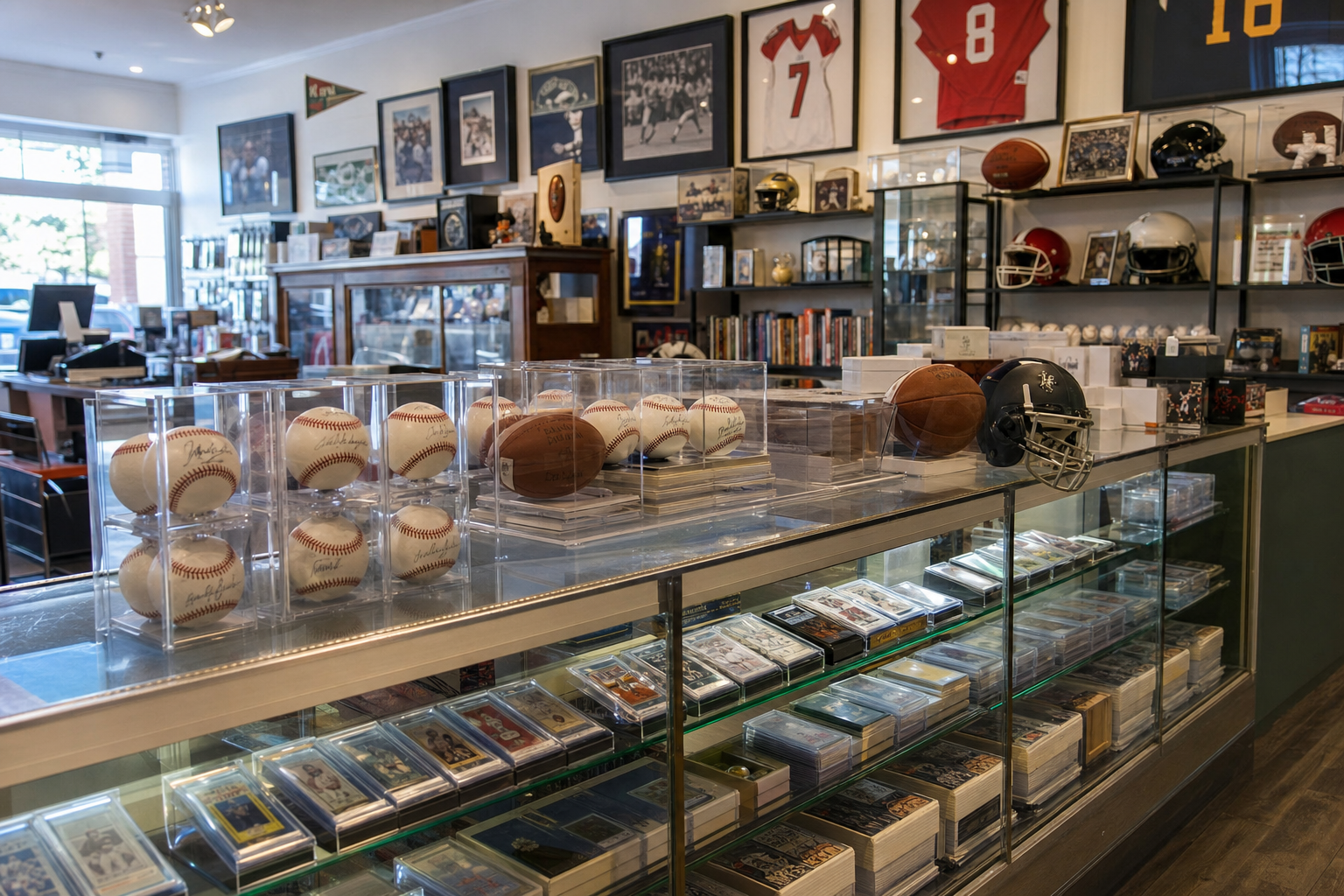
Building a Collection Room: Display vs. Long-Term Storage
There's a moment in most serious collections when a box in the closet isn't enough anymore — when the collection becomes something you want to live with, show people, and build around. That's a collection room. Done well, it does two jobs at once: it puts your best cards on display and keeps the rest safely stored. Done poorly, it's a fast way to fade your favorite cards in the name of showing them off.
What's the real difference between displaying and storing?
Display prioritizes visibility; storage prioritizes protection — and they pull in opposite directions. Displayed cards are, by definition, exposed to light and air. Stored cards should be dark, still, and stable. The trick to a good collection room isn't picking one over the other; it's designing for both: a small, curated set on display, and the bulk of the collection in enclosed storage. Trying to display everything is how collections get damaged.
How do you display cards without damaging them?
Use UV-protective holders, light the room with LEDs, and keep cards out of direct sun. Display only in holders rated for high UV protection (95%+), since ordinary acrylic lets through enough UV to fade cards over time. Light the space with LEDs rather than fluorescent or incandescent bulbs, which emit far more UV. Keep display pieces away from windows entirely. And consider rotating what's on display — giving any single card a rest from the light — so no one card takes years of continuous exposure. Our guide to humidity, light, and temperature covers the why behind all of this.
What furniture does a collection room actually need?
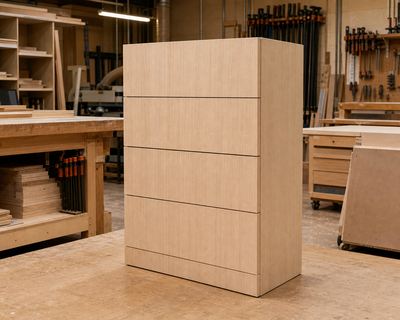
The backbone is enclosed storage for the bulk of the collection, with a display element layered on top. Most of your cards — the duplicates, the sets, the cards you're holding — want to be in closed, climate-friendly drawers, not out on shelves collecting dust and light. A cabinet handles that bulk while doubling as the anchor furniture of the room: a clean, premium surface to display a few framed or cased standouts on top, with thousands of cards protected just below. One piece, both jobs.
How do you plan a room that scales?
Choose a consistent finish and modular storage so the room grows without looking piecemeal. Collections expand; rooms shouldn't have to be redone every time they do. Settling on one cabinet finish and a storage system you can add to keeps the space cohesive as it grows, instead of becoming a mismatch of whatever was available that year. Plan for more capacity than you need now — our capacity guide helps you get the sizing right.
An Apex Archive cabinet is designed to be exactly this anchor: furniture-grade enough to be the centerpiece of a collection room, enclosed enough to protect the cards inside, and offered in finishes that tie a room together. When you're planning your space, start by choosing the right finish and configuration, then design the cabinet the room is built around.
More guides

Build a home for your collection.